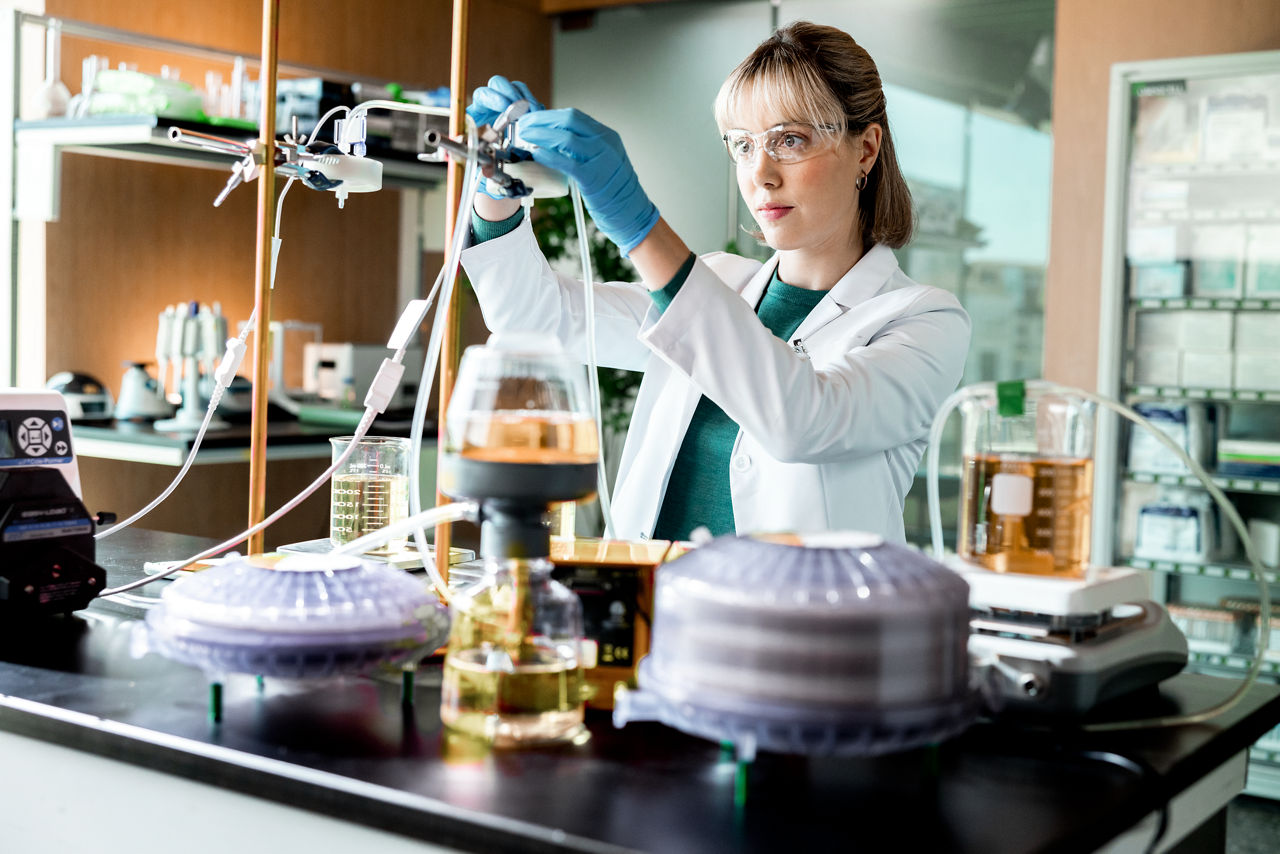
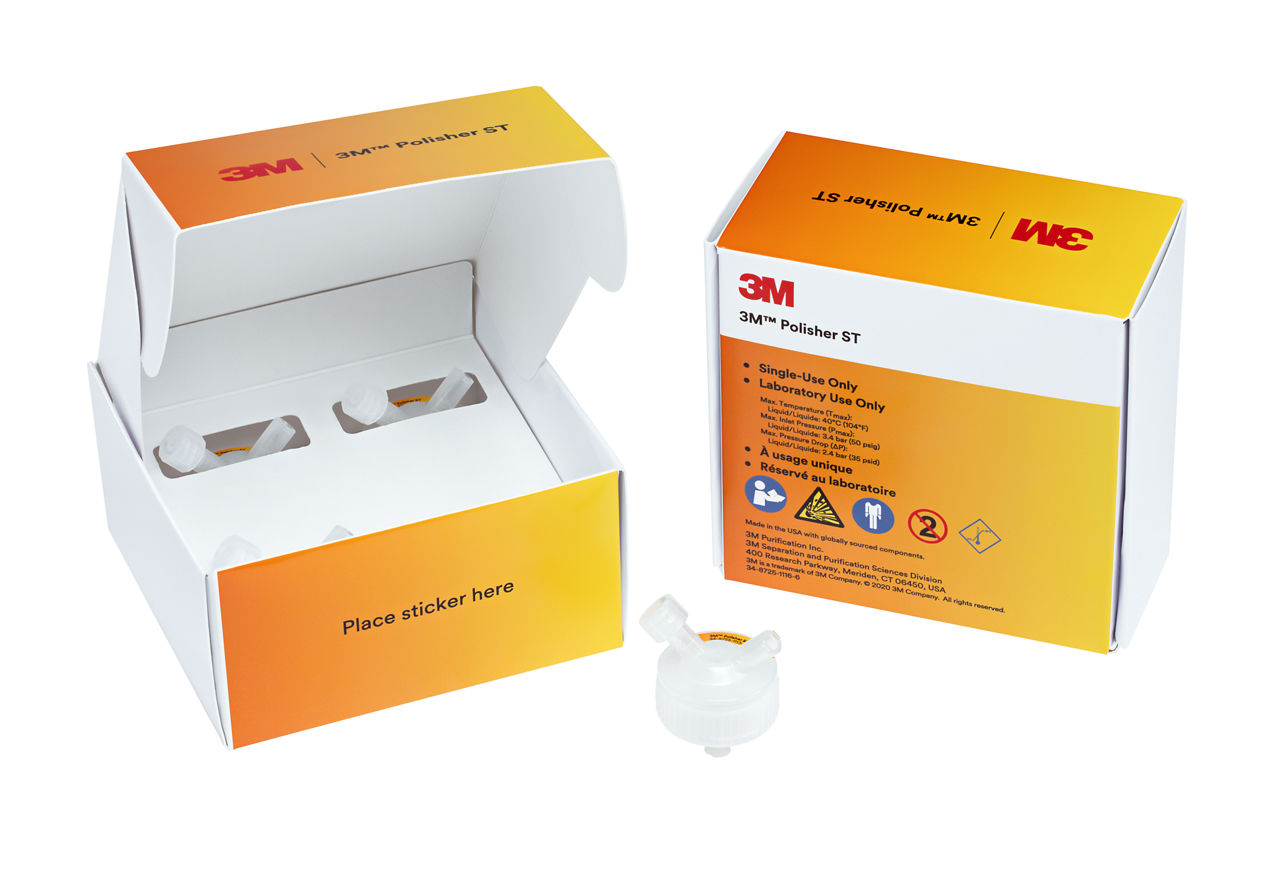
Simplify the development process for your whole team. From clarification of cell cultures to making bioprocessing more efficient, our scalable lab devices allow you to hand off a scalable process that delivers consistent results while saving time and money.
Explore and shop these solutions on Amazon
Our single-use clarification and purification products are designed to address yield and removal of process-related impurities using proprietary technologies that are helping advance the biopharmaceutical manufacturing industry. We offer scalable solutions for harvest and clarification in addition to purification.
Proprietary science for the unique needs of the discovery phase.
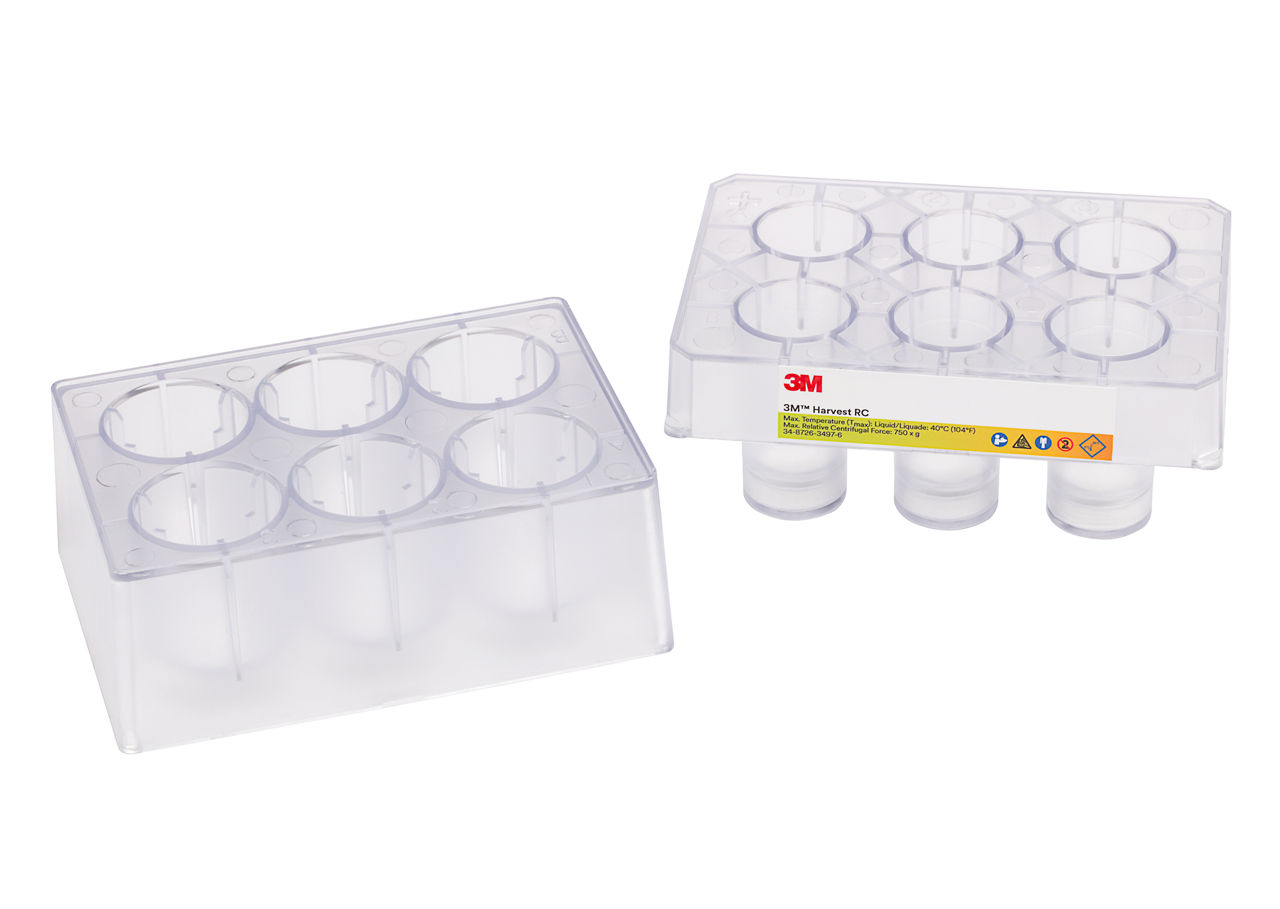
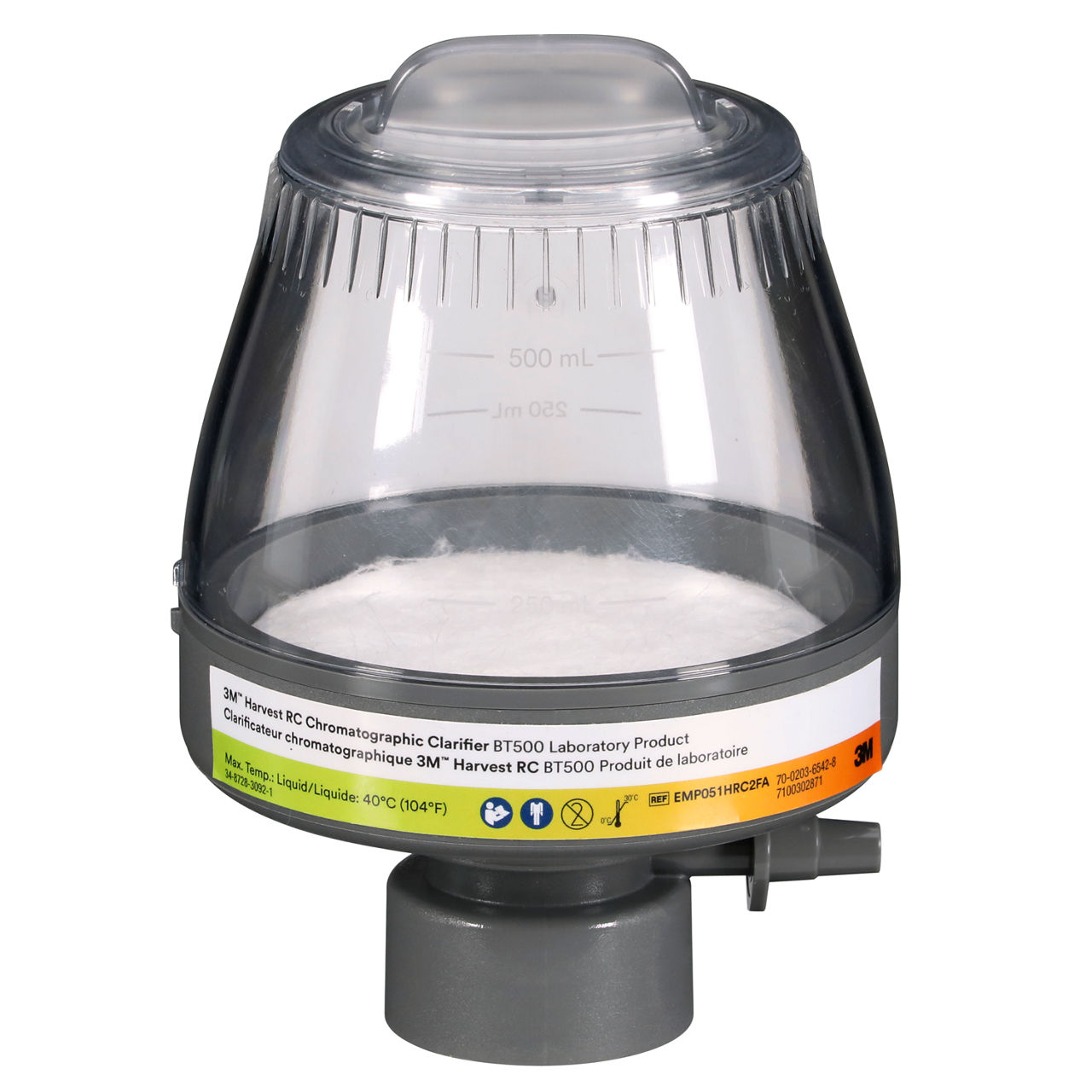
Streamline your workflow in the discovery phase with our lineup of lab scaling products, including 3M™ Harvest RC Chromatographic Clarifier, WP6 and 3M™ Harvest RC Chromatographic Clarifier, BT500.
This portfolio of single-stage, single-use encapsulated chromatographic clarification solutions is used for direct harvest and clarification processes.
Performance:
Enhanced mAb recoveries through higher yield (95%)
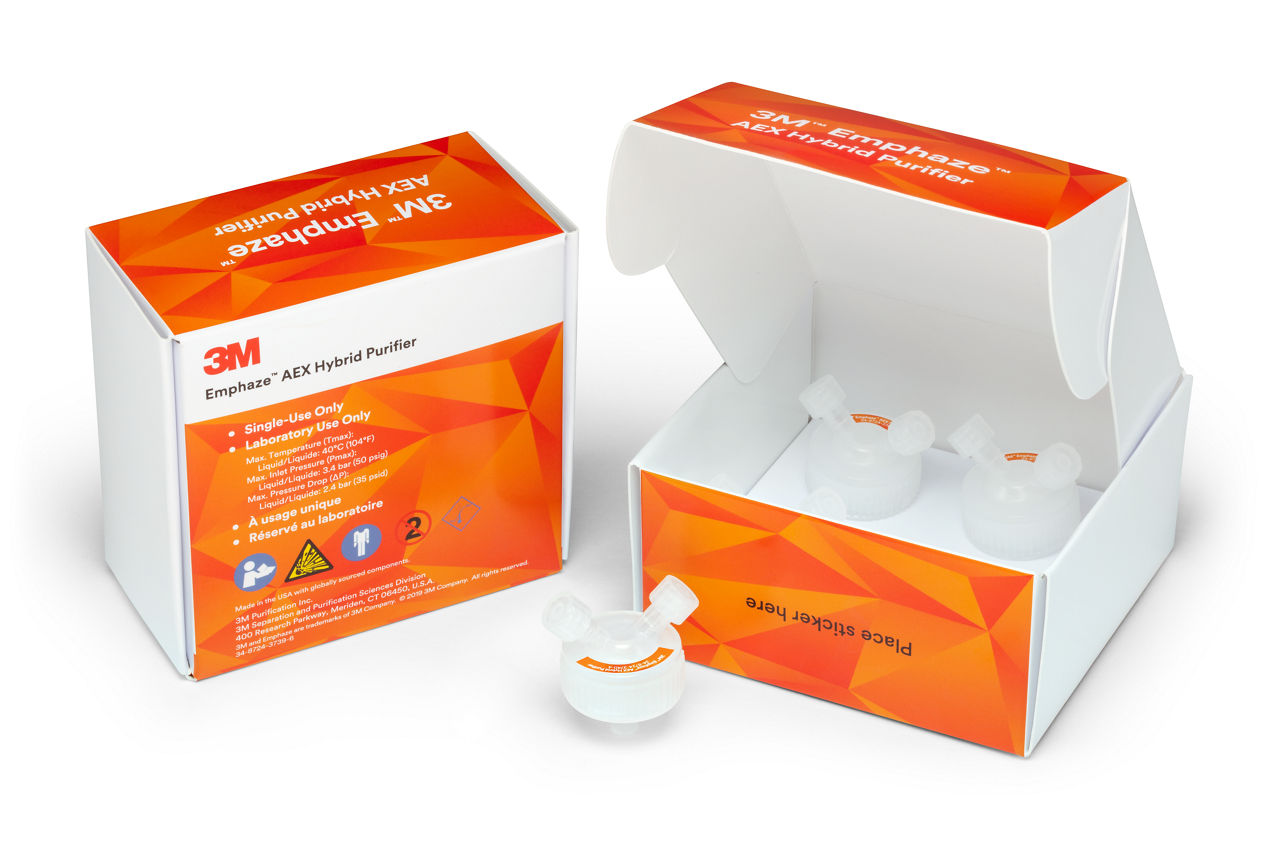
Remove impurities in the presence of turbidity with this single-use anion exchange (AEX) polishing chromatography that performs in a wide range of process conditions.
Performance:
HCP reduction >50% from pH 5.0 - 7.5
Virus clearance >4 logs from pH 5.5 -7.5
High mAb recovery >95%
Applications include: Replacement of AEX column and Replacement of depth filter and membrane filter prior to AEX column.
Fiber chromatography is one of the chromatography methods which utilize fibrous matrix as chromatographic media. Due to larger porous structure of fibrous media, fiber chromatography can process significantly larger biological targets, such as cells, micelles, virus and chromatic DNA, which are too large for traditional chromatographic media like chromatographic beads and chromatographic membrane. Also, binding is predominantly convection-driven, enabling a fast processing rate.
Yes. Fiber chromatography can be used in harvest and clarification and offer many benefits including high mAb recovery (>95%), consistent high quality of clarified fluid and linear scalability from lab to pilot to manufacturing.
Depth filtration utilizes the thickness, or depth, of the filter media to trap insoluble suspended particles, separating them from the process fluid that passes through the media. Particles are captured by various mechanisms through the tortuous or complex path of the media, including direct interception, inertia impaction and electrostatic adsorption.
Depth filtration removes contaminants primarily by size, while chromatographic clarification removes contaminants by charge. For direct clarification of harvested cell culture fluid, depth filtration typically needs two- stage (primary and secondary depth filters), while chromatographic clarification is one-stage.
Depth filters are comprised typically of three components: cellulose, a filter aid, and a polymer binder resin. The material can also be functionalized to contain additional functional chemistry for enhanced performance.
Yes. Fiber chromatography can be used for harvest and clarification instead of depth filtration.
Benefits of 3M™ Polisher ST include a smaller footprint, higher loading capacities, less buffer usage and no need to pack/repack/validate.
Yes. Modern chromatographic membranes such as 3M™ Polisher ST have been shown to be robust and scalable from the bench up to production scales. This allows for a single-use chromatographic device to replace a large multi-use column, saving space and buffers.
Potential Scalable Device Questions – additional Solventum support needed
Our Bioprocess Application Specialists will work bench-to-bench with you to help you select the right solution for your complex manufacturing challenges.
Working with you every step of the way, our Bioprocess Application Specialists offer continuity of support — completely complementary to your organization. From technical lunch-and-learns to lab trials and demos, we can help you take your breakthrough from discovery to commercialization.